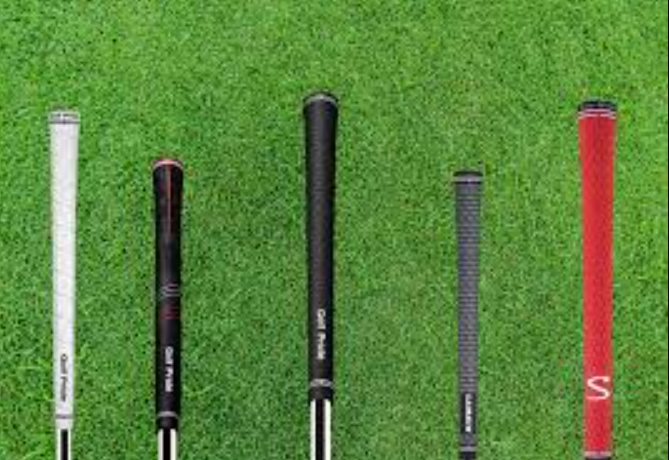
Golf grips explained: Types, sizes, and which one fits your game
Understanding golf grips is one of the easiest ways to improve your golf game without changing your swing. The grip is the only part of the club you hold, so choosing the right one greatly affects comfort, control, and consistency. In this detailed guide, we’ll walk through golf grips explained: types, sizes, and which one fits your game so you can confidently upgrade your performance on the course.
Understanding the Role of Golf Grips in Performance
Your golf grip influences how the club feels, how you swing, and the accuracy of every shot. A quality grip helps you maintain proper pressure, reduce tension, and swing freely. When grips wear out or are the wrong size, players often struggle with slices, hooks, wrist pain, or inconsistent ball contact. In short, a good grip supports your natural motion, while a bad one forces you to overcompensate.
Players with too-small grips tend to grip tighter, causing overactive hands. Those with grips that are too large may struggle to rotate the clubface. That’s why understanding grip types and sizes is essential for building consistent results.
See also: Luxury Redefined: Stunning Additions to Elevate Your Home
Anatomy of a Golf Grip
Core Structure
The inner core determines how a grip fits onto the shaft. Some have rib guides (also called reminders) to help players align their hands consistently.
Traction Patterns
Modern grips use traction patterns like crosshatches, alignment ribs, and textured zones to enhance stability. These help reduce slipping without requiring excessive pressure.
Grip Taper and Texture
Taper affects how thick the grip feels from top to bottom. Some grips reduce taper for more even hand pressure. Texture varies from soft and smooth to rough and heavily patterned.
Types of Golf Grips Explained
Rubber Golf Grips
Rubber grips are the most common. They provide a soft, comfortable feel and suit most golfers. They absorb shock well and perform reliably in dry conditions. However, they may get slippery in rain or sweat unless treated.
Corded Golf Grips
Cord grips include woven fibers throughout the surface, adding roughness and extremely secure traction. They’re ideal for players who sweat heavily or play in wet climates. Half-cord versions offer a mix of comfort and traction. Some golfers find full-cord grips too abrasive.
Hybrid Golf Grips
Hybrid grips combine soft rubber in the lower hand with cord material in the upper section. This design offers both comfort and stability, perfect for players seeking control without sacrificing feel.
Wrap Golf Grips
Inspired by leather wraps used on vintage clubs, modern wrap grips are made from soft synthetic materials. They promote gentle grip pressure and excellent shock absorption. They’re comfortable but may feel slippery when wet.
Putter Grips
Putter grips come in straight, pistol, and oversized varieties. These affect how stable your hands stay during the putting stroke. Oversized putter grips help reduce wrist movement, while pistol shapes enhance feel.
Grip Sizes and How They Affect Your Swing
Choosing the right grip size is just as important as choosing the right material.
Undersize Grips
Designed for players with smaller hands, typically women and juniors. Undersize grips encourage better wrist hinge and reduce tension.
Standard Grips
These fit most adult men and serve as the baseline option. For many golfers, standard grips strike a balance between control and comfort.
Midsize Grips
These help golfers with larger hands or those who experience hand fatigue. Midsize grips reduce the tendency to over-grip and help stabilize the swing.
Oversize Grips
Oversized grips work well for players who struggle with slicing or gripping too tightly. They slow down hand rotation and promote a more controlled swing.
How to Choose the Right Golf Grip for Your Game
Finding the right grip depends on hand size, playing conditions, and personal feel preferences.
- Sweaty hands? Choose cord or hybrid grips.
- Prefer softness? Rubber or wrap grips work best.
- Need more control? Try midsize or oversized grips.
- High-handicap players often benefit from larger grips that improve stability.
- Low-handicap golfers may choose firmer grips for better feedback.
A simple hand measurement chart can help determine your grip size. Measure from the wrist crease to the tip of the middle finger and match the measurement to grip categories.
Signs You Need New Grips
You may need replacements if you notice:
- Shiny or smooth patches
- Cracks or peeling
- Slipping, especially in humidity
- Difficulty maintaining consistent grip pressure
How Often Should You Replace Your Grips?
Golf grips typically last 30–40 rounds, depending on humidity, playing frequency, and cleaning habits. Avid golfers often replace grips once per season.
How to Measure Your Hand for the Perfect Grip Fit
- Place your hand flat on a table.
- Measure from the wrist crease to the tip of your middle finger.
- Match the measurement to a grip-size chart (many are available online).
Installation: DIY vs. Professional Grip Fitting
You can replace grips at home using grip tape, solvent, and a vise, but beginners may find the process messy. A professional fitting offers precise alignment and expert advice, ensuring your clubs perform consistently.
FAQs About Golf Grips
1. How do I know what golf grip is right for me?
Consider your hand size, swing tendencies, and comfort level. Testing different grips provides the best insight.
2. Are oversized grips good for beginners?
Yes. They help reduce excessive hand movement, making them ideal for players who struggle with control.
3. What grip type works best in wet weather?
Corded or hybrid grips offer superior traction in rain or humidity.
4. How often should I clean my golf grips?
Clean them every few rounds to maintain texture and prevent slipping.
5. Can changing grip size fix a slice?
Oversized grips can help reduce wrist over-rotation, potentially reducing slicing.
6. Are wrap grips good for players with arthritis?
Yes. Their soft, cushioned feel provides comfort and reduces vibration.
Final Thoughts: Finding the Grip That Elevates Your Game
Understanding golf grips explained: types, sizes, and which one fits your game gives you a powerful advantage. The right grip improves comfort, enhances control, and boosts consistency. Whether you prefer corded, rubber, hybrid, or wrap grips, choosing the correct size makes the biggest difference. Don’t overlook this small but crucial part of your equipment—your best swings start with the right grip.